When dental pain is an immune problem
當牙痛源於免疫問題
Some of the most painful dental conditions in cats and dogs don't look like much from the outside. The teeth can appear clean, there might be little visible tartar, and your pet still seems to be eating — and yet the immune system is quietly attacking the mouth from the inside. These are immune-mediated dental diseases, and they need a vet.
貓狗最痛苦的牙科疾病,有時表面看來毫無異樣。牙齒看似乾淨、牙石不多、寵物仍會進食 — 但免疫系統卻在內部默默攻擊口腔。這些就是免疫介導的牙科疾病,必須由獸醫處理。
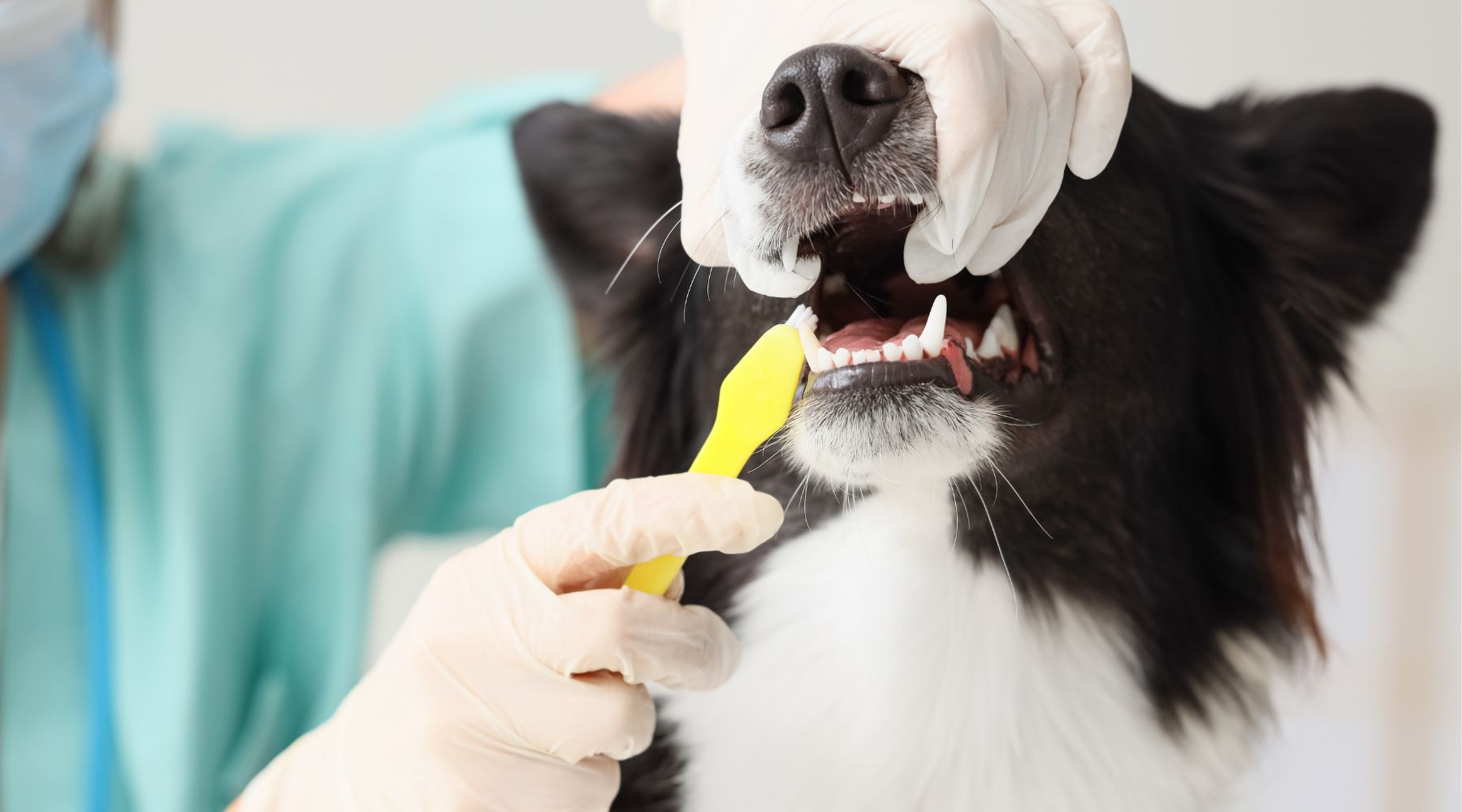
Common dental problems — gingivitis, periodontal disease, plaque-driven gum inflammation — usually start with what we can see. The story is different here. Immune-mediated dental disease can sit underneath an apparently normal mouth, only revealed by a proper oral exam and dental X-rays. Daily home care still matters, but on its own it can't reach this.
The hidden threat — dental disease you can't see
- No visible tartar or surface changes — but the root is affected.
- Pets hide pain almost reflexively, especially cats.
- Without dental X-rays, you simply cannot see what's happening below the gum.
- "They're just getting picky" or "they're older now" can mask a real problem.
What is immune-mediated dental disease?
The immune system normally defends the body against infection. In autoimmune and immune-mediated conditions, it gets the targeting wrong and attacks the body's own healthy tissue — in this case, the teeth, the periodontal ligaments, or the gum tissue itself.
Tooth resorption (very common in cats)
The body's own cells — odontoclasts — start breaking down healthy tooth structure from the inside. Diagnosis requires dental X-rays. Studies suggest 30–60% of cats are affected during their lifetime, and over 70% of cats above age five have at least one affected tooth. It is invariably painful, even if your cat is not telling you.
Feline gingivostomatitis (FGS)
An over-reaction of the immune system to the bacteria of dental plaque, producing chronic ulceration, redness, swelling and severe oral pain. Cats with FIV, FeLV or chronic calicivirus are at higher risk.
CUPS (Chronic Ulcerative Paradental Stomatitis — dogs)
The canine equivalent: the immune system over-reacts to plaque bacteria — even when tartar levels look modest — producing painful ulcers where the gum meets the tooth, drooling, reluctance to open the mouth, and bad breath.
How these are diagnosed and treated
- Oral examination under anaesthesia. The only way to comprehensively assess every tooth.
- Dental X-rays of every tooth. Especially in cats — most resorptive lesions are invisible without imaging.
- Ultrasonic scaling and polishing. Removes plaque and tartar above and below the gum line.
- Targeted treatment. Extractions of affected teeth, immune-modulating medication, antibiotics or pain relief — guided by what the exam and X-rays show.
Where daily home care fits — and where it doesn't
Daily home care does not cure immune-mediated dental disease. What it does do is reduce the plaque load that drives inflammation in the first place — which matters a lot, because in CUPS and FGS the immune over-reaction is to plaque bacteria. The less plaque, the less fuel for the fire.
Buccaclean® is a palatable, chlorhexidine-free daily oral hygiene gel with a soft applicator tip. It has received the VOHC® (Veterinary Oral Health Council) seal of acceptance in the category "Plaque Control Aid" for dogs. For pets with painful mouths, it can be applied alone along the gum line, or with a toothbrush when your pet allows. It is a sensible adjunct alongside the professional treatment plan your vet sets out, not a substitute.
The takeaway — get the mouth properly checked
If your pet's mouth has been "fine" for years and they've never had a proper dental work-up with X-rays, that's the part to fix. Tooth resorption in cats and CUPS in dogs are invisible from the outside until they're severe. A dental exam plus X-rays is the only way to know what's actually going on — and the only way to stop your pet living with pain they cannot tell you about.
常見的牙科問題 — 牙齦炎、牙周病、牙菌膜驅動的牙齦發炎 — 通常從我們看得見的地方開始。這裡情況不同。免疫介導的牙科疾病可隱藏於看似正常的口腔內,只有正規口腔檢查及牙科 X 光才能揭示。日常家居護理仍然重要,但單獨並不足以應對。
隱藏的威脅 — 看不見的牙科疾病
- 外觀沒明顯牙石或表面變化 — 但牙根已受影響。
- 寵物會反射式地隱藏痛楚,尤其是貓。
- 沒有牙科 X 光,根本無法看到牙齦線下發生甚麼事。
- 「牠最近挑食」或「牠老了」可能掩蓋真正的問題。
甚麼是免疫介導牙科疾病?
免疫系統正常情況下防禦感染。在自身免疫及免疫介導的疾病中,免疫系統錯誤瞄準,攻擊自身健康組織 — 在這裡是牙齒、牙周韌帶或牙齦組織本身。
牙齒吸收(在貓中極常見)
身體自身的細胞 — odontoclasts(破牙細胞) — 由內部開始分解健康的牙齒結構。確診需要牙科 X 光。研究顯示 30–60% 的貓一生中會受影響,5 歲以上的貓超過 70% 至少有一顆受影響的牙齒。即使您的貓沒表現出痛楚,都必然會痛。
貓齦口炎(FGS)
免疫系統對牙菌膜細菌的過度反應,造成慢性潰瘍、發紅、腫脹及嚴重口腔痛楚。患有 FIV、FeLV 或慢性 calicivirus 的貓風險較高。
CUPS(慢性潰瘍性牙周牙齦炎 — 狗隻)
狗隻的同類情況:免疫系統對牙菌膜細菌過度反應 — 即使牙石量看似不多 — 在牙齦與牙齒交界處造成痛楚潰瘍、流口水、不願張口及口臭。
如何診斷與治療
- 麻醉下口腔檢查。唯一能全面評估每顆牙齒的方法。
- 每顆牙齒的牙科 X 光。尤其在貓 — 大多數牙齒吸收性病變沒有影像便無從察覺。
- 超聲波洗牙及拋光。清除牙齦線上下的牙菌膜及牙石。
- 針對性治療。拔除受影響的牙齒、免疫調節藥物、抗生素或止痛藥 — 視乎檢查及 X 光結果而定。
日常家居護理的角色 — 以及它的局限
日常家居護理不能治癒免疫介導牙科疾病。它能做的,是減少驅動發炎的牙菌膜負擔 — 這點重要,因為在 CUPS 及 FGS 中,免疫過度反應是針對牙菌膜細菌。牙菌膜越少,「火種」越少。
Buccaclean® 是一款適口性佳、不含 chlorhexidine 的日常口腔護理凝膠,配備柔軟塗抹頭。已獲 VOHC®(美國獸醫口腔健康委員會)認證,列入「Plaque Control Aid(牙菌膜控制輔助)」類別,適用於狗隻。對於口腔疼痛的寵物,可直接沿牙齦線單獨塗抹,待寵物接受後亦可配合牙刷。它是您獸醫所制定的專業治療方案的合理輔助,而非取代品。
總結 — 為口腔做正規檢查
如您的寵物多年來口腔「都沒事」,但從未接受過配合 X 光的正規牙科檢查,那才是要處理的部分。貓的牙齒吸收及狗的 CUPS,從外觀看不出來,直到嚴重才被發現。牙科檢查加上 X 光,是真正了解情況的唯一方法 — 亦是讓您的寵物不再默默承受痛楚的唯一方法。
Time for a proper dental check? Book a visit and get the full picture — not just the surface.
是時候進行正規牙科檢查?預約一次,看見全貌 — 而非僅僅表面。
Find a clinic尋找診所 → About Buccaclean®了解 Buccaclean®Adapted with permission from clinical content by Swanston Veterinary Hospital. None of this replaces an in-person veterinary assessment for your pet.
內容經朗晴動物醫院 Swanston Veterinary Hospital 臨床資料改編並獲授權使用。本文不能取代您寵物的當面獸醫評估。