UTIs in cats — when to see your vet, and why regular check-ups matter
貓的泌尿道感染 — 何時應求診,以及為何定期檢查至關重要
Cats are very good at hiding pain. By the time an owner notices something is wrong with the litter box, the problem is often well advanced. Knowing the warning signs — and getting in front of them with a routine body check — is what changes the outcome.
貓很懂得隱藏痛楚。當主人留意到貓砂盤旁有問題時,情況通常已進展頗深。認識警示跡象,並透過定期身體檢查及早發現 — 是改變結局的關鍵。
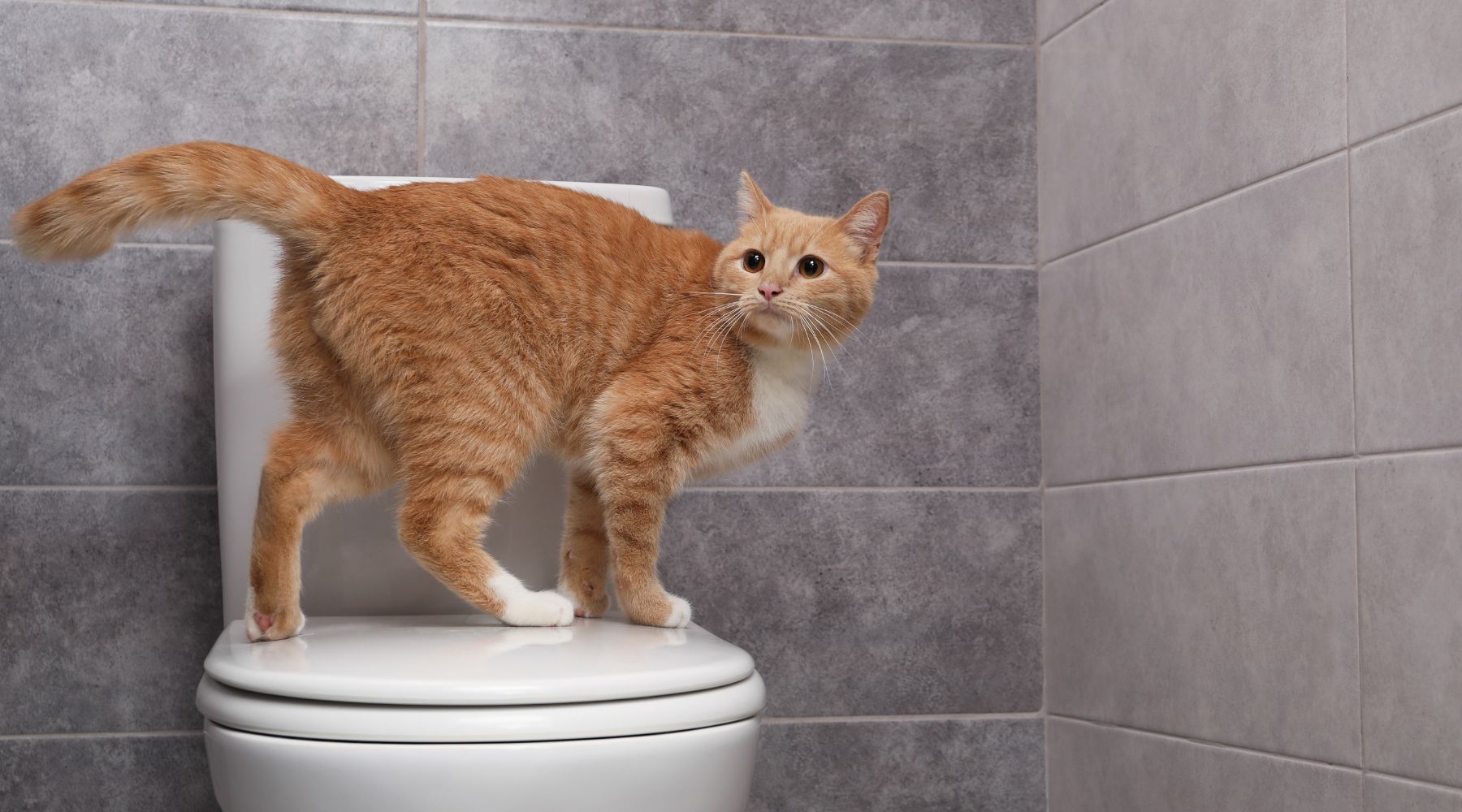
Lower-urinary-tract trouble in cats can come from a few different places: idiopathic cystitis (stress-driven inflammation, the most common cause in young and middle-aged cats), bladder crystals or stones, and, less commonly than people assume, true bacterial infection. They're often grouped under the umbrella term FLUTD — feline lower urinary tract disease.
The warning signs to watch for
- Straining to urinate. Your cat goes to the litter box more often, sits and strains, and only produces a few drops — or nothing. In male cats this can mean a urethral blockage, which is a life-threatening emergency. If your male cat is straining and unproductive, this is a same-day vet visit, not a wait-and-see.
- Frequent trips to the box. Repeated visits, longer stays, coming and going within minutes — that pattern points to bladder irritation or inflammation.
- Blood in the urine. Pink, red or visibly bloody urine. Sometimes it's subtle — darker than usual or cloudy.
- Painful vocalisation. Crying, yowling or unusual meowing during urination. Cats almost never vocalise unless they're hurting.
- Behaviour changes. Urinating outside the litter box (they associate the box with pain), over-grooming the belly or genital area, hiding more, eating less, or any sudden change in routine.
If you see any of these, especially straining in a male cat, call your vet today. Early intervention prevents a small problem becoming a kidney emergency.
Why regular body checks matter — even when nothing seems wrong
Many cats with chronic or recurring FLUTD show their first signs subtly. A routine veterinary check — at least once a year for adult cats, twice a year for cats over seven — gives your vet a chance to:
- Run a basic urinalysis. Picks up crystals, pH abnormalities, blood and concentration changes that may not be visible to you.
- Palpate the bladder. A skilled clinical exam tells your vet a lot about bladder size, comfort, and tone.
- Spot stress-related patterns early. Recurrent cystitis is often as much about household stress, water intake and litter setup as the bladder itself.
- Catch overlapping problems. Older cats often have CKD running alongside FLUTD; one affects how you approach the other.
A 15-minute body check, once or twice a year, picks up problems your cat will not tell you about until they're severe.
Where Uri+ MP® fits
For cats prone to recurring lower-urinary-tract signs — and where your vet judges it suitable — a supportive supplement can sit alongside the wider plan. Uri+ MP® is a palatable powder designed around the way FLUTD actually presents in cats. It works on three fronts:
- Urinary comfort. N-acetyl-D-glucosamine to support the bladder lining; cranberry (Vaccinium macrocarpon) A-type proanthocyanidins to limit bacterial adhesion to the urinary mucosa.
- Urine acidification. Calcium sulphate and methionine to help maintain a healthy urinary pH.
- Serenity. Griffonia (5-HTP), L-tryptophan and passionflower to support the stress / serotonin pathway — important because stress is one of the biggest drivers of feline idiopathic cystitis.
It's mixed into food, doesn't require a diet change, and is typically used for 15-day to 1-month courses around flare-ups or known stress periods. It is not a substitute for a vet visit, and your vet will tell you whether it suits your cat — particularly because Uri+ MP® is not for cats with concurrent chronic kidney disease.
The takeaway — when in doubt, call
You know your cat. If something feels off, trust it. Better a quick check that turns out to be nothing than a delayed visit that turns into an emergency.
貓的下泌尿道問題可源於不同原因:特發性膀胱炎(壓力引起的炎症,是年輕及中年貓最常見的原因)、膀胱結晶或結石,以及大眾以為頻繁、實際較少見的真正細菌感染。這些情況常統稱為 FLUTD(feline lower urinary tract disease,貓下泌尿道疾病)。
應留意的警示跡象
- 排尿用力。您的貓不斷走到貓砂盤、坐下用力,卻只排出幾滴 — 甚至完全沒有。在雄貓身上,這可能代表尿道阻塞,屬危及生命的緊急情況。若雄貓用力但排不出尿,請當日求診,切勿觀察等待。
- 頻繁進出貓砂盤。反覆進出、停留時間延長、剛走又回 — 這種模式提示膀胱受刺激或發炎。
- 尿中帶血。尿液呈粉紅、紅色或明顯帶血;有時較不明顯 — 顏色較深或混濁。
- 痛楚叫聲。排尿時哭叫、嚎叫或發出異常喵叫。貓除非真的疼痛,否則甚少發聲。
- 行為改變。在貓砂盤外排尿、過度梳理腹部或生殖區、躲藏增加、進食減少,或任何突如其來的日常變化。
若見到任何上述跡象,尤其雄貓用力排尿,請即日致電您的獸醫。及早介入,可避免小問題演變成腎臟緊急情況。
為何定期身體檢查至關重要 — 即使沒有徵兆
許多患有慢性或復發性 FLUTD 的貓,最初的徵兆都很細微。常規獸醫檢查 — 成年貓至少每年一次、7 歲以上每年兩次 — 讓您的獸醫有機會:
- 進行基本尿液分析。察覺您肉眼看不見的結晶、pH 異常、潛血及濃度變化。
- 觸診膀胱。熟練的臨床檢查能告訴獸醫膀胱大小、是否柔軟、張力如何。
- 及早察覺壓力相關模式。復發性膀胱炎往往與家居壓力、飲水量、貓砂設置同樣有關,而非單純膀胱問題。
- 發現重疊問題。年長貓往往同時有 CKD 與 FLUTD;兩者會互相影響處理方向。
一年一兩次、每次 15 分鐘的身體檢查,能發現您的貓不會告訴您、卻已逐漸惡化的問題。
Uri+ MP® 的角色
對於易復發下泌尿道徵狀的貓 — 並在您的獸醫判斷適合時 — 輔助補充劑可配合整體方案使用。Uri+ MP® 是一款適口性佳的粉劑,圍繞貓 FLUTD 實際表現而設計,同時針對三個層面:
- 泌尿舒適。N-acetyl-D-glucosamine 支援膀胱黏膜;蔓越莓(Vaccinium macrocarpon)A 型原花青素限制細菌黏附泌尿道黏膜。
- 尿液酸化。硫酸鈣及 methionine 有助維持健康尿液 pH。
- 心理舒緩。Griffonia(5-HTP)、L-tryptophan 及西番蓮支援壓力 / 血清素途徑 — 這點重要,因為壓力是貓特發性膀胱炎最主要的驅動因素之一。
產品加入食物中食用,毋須改變飲食,通常於發作或已知壓力期前後使用 15 日至 1 個月。它不能取代獸醫診治,是否適合您的貓由您的獸醫判斷 — 同時患有慢性腎病的貓不宜使用 Uri+ MP®。
總結 — 有疑問就求診
您最了解您的貓。如感覺有異,請相信自己。快速一次檢查發現沒事,總勝過拖延後變成緊急情況。
Noticing changes in the litter box, or just due for a check? The right next step is your vet.
留意到砂盤旁的變化,或剛好到了檢查時間?最合適的下一步,是諮詢您的獸醫。
Find a clinic尋找診所 → About Uri+ MP®了解 Uri+ MP®Adapted with permission from clinical content by Swanston Veterinary Hospital. None of this replaces an in-person veterinary assessment for your cat.
內容經朗晴動物醫院 Swanston Veterinary Hospital 臨床資料改編並獲授權使用。本文不能取代您寵物的當面獸醫評估。